
News
-
Introduction to Maintenance of Electric Actuators
Electric actuators are core drive equipment in industrial automation control systems, widely used in power, chemical, water conservancy, HVAC, oil & gas transmission and other industries. They drive valves, dampers and other mechanisms to complete on-off and regulating movements, achieving automatic equipment control and precise working condition adjustment. As mechatronics precision devices, electric actuators integrate mechanical transmission, electrical control, sensing …Read more -
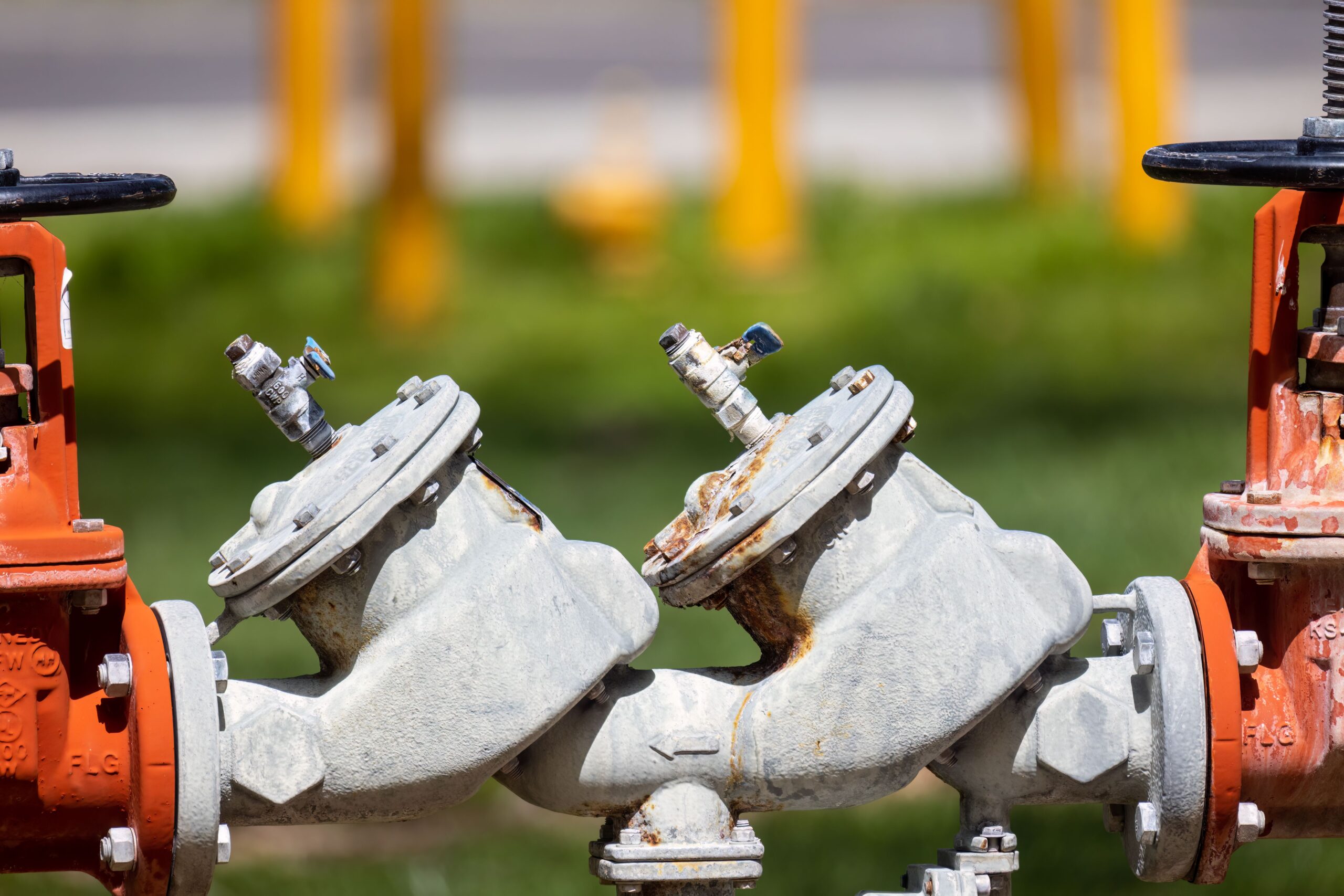
Domestic Valves in Industrial Applications: A Practical Sourcing Guide for Global Buyers
The Hidden Cost of a Bad Valve Decision Every plant engineer knows the scenario: a supposedly reliable valve fails during a critical batch process, causing unplanned downtime, product loss, and a frantic call to procurement. While global brands often dominate the specification sheet, the reality is that Domestic manufactured valves from China — now play a significant role in complex …Read more -
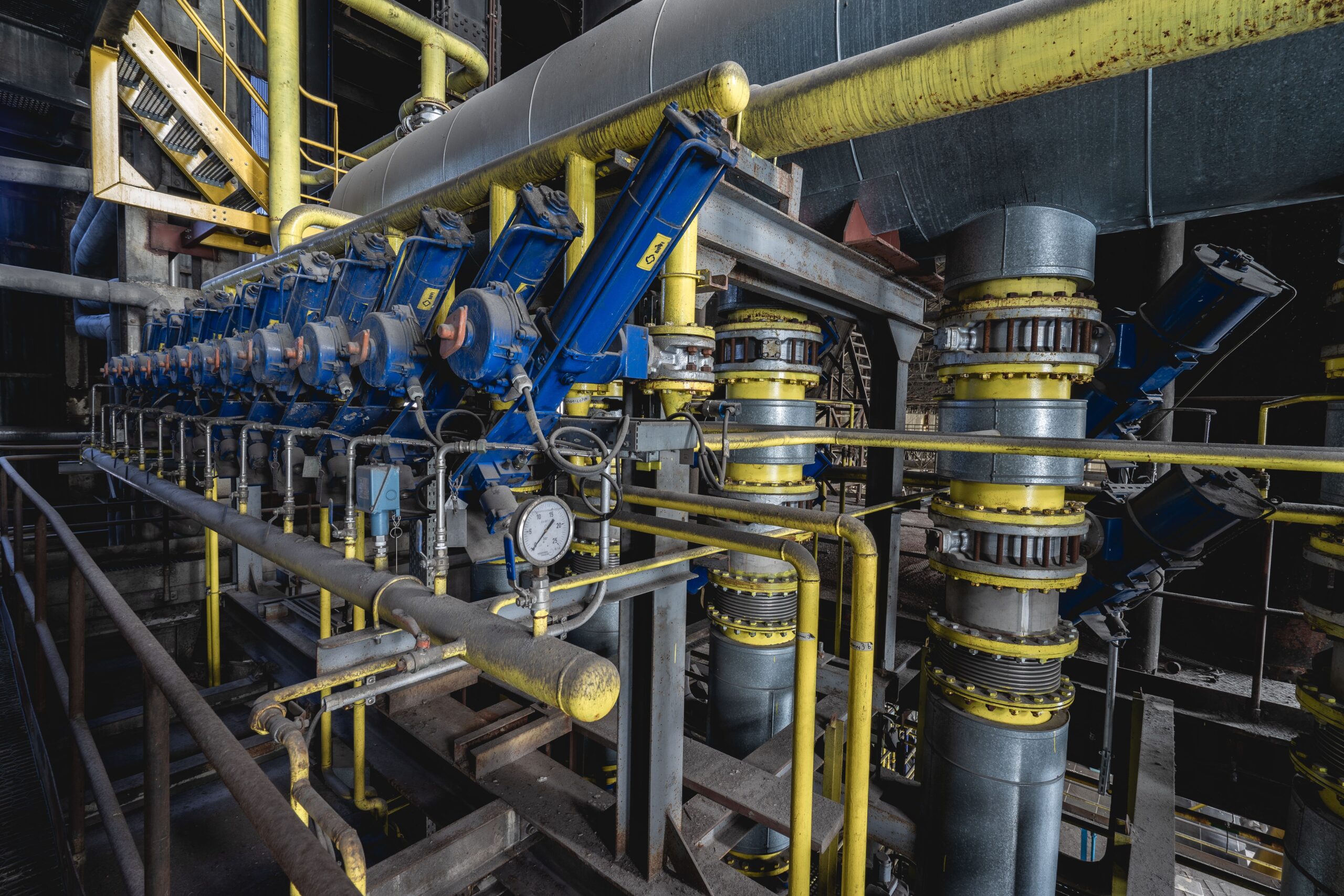
How Triple‑Eccentric Butterfly Valves Achieve High‑Performance Modulation
In industrial pipeline systems such as petrochemical, power and heating, metallurgy, water treatment, and new‑energy sectors, control valves act as the “nerve center” for regulating fluid flow rate, pressure, and temperature. For many operating conditions, the real production pain point is not simple on‑off switching but precise modulation. Problems including jitter at small openings, poor linearity, modulation failure under high‑/low‑pressure …Read more -
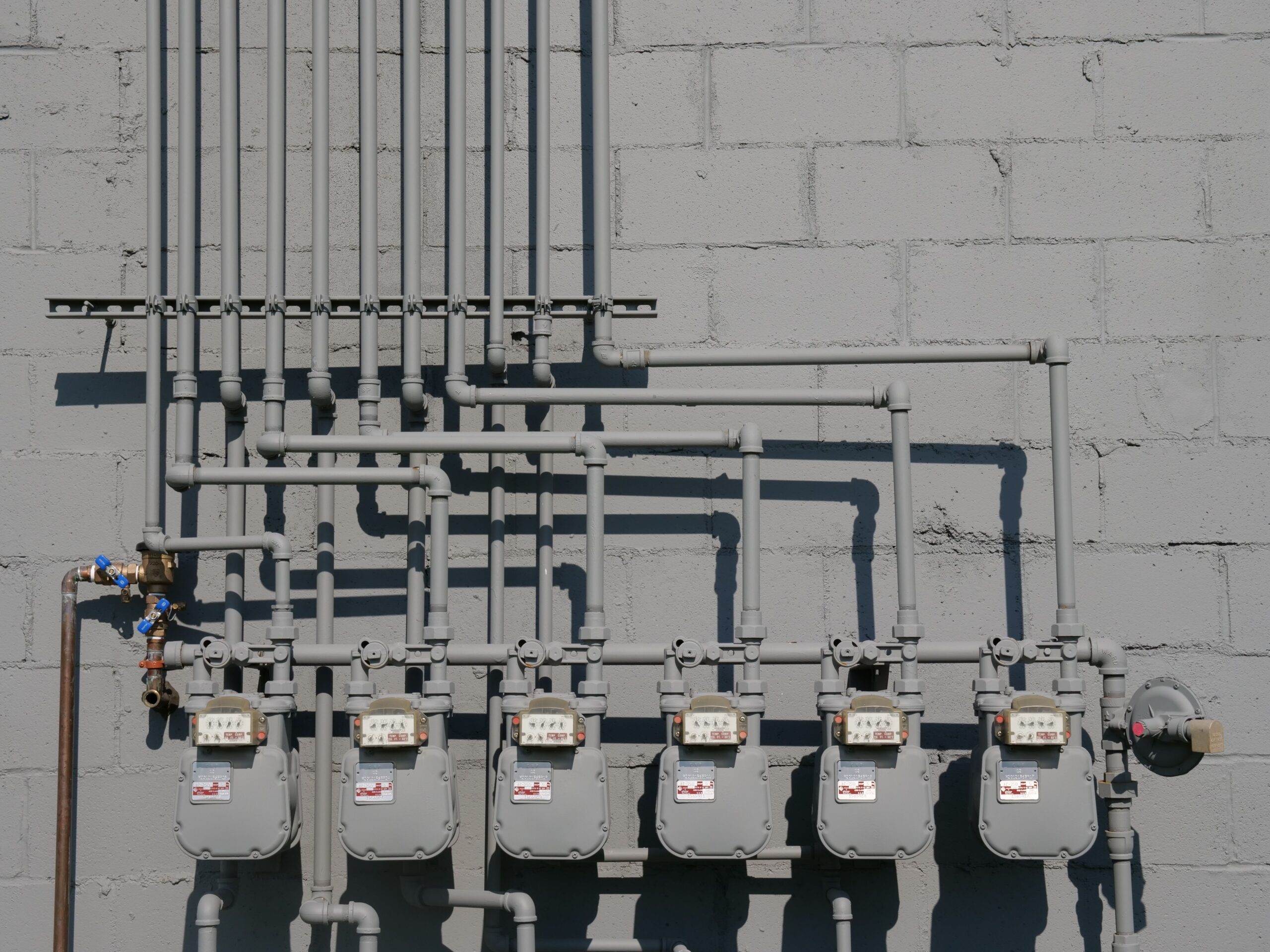
How to Choose an Industrial Instrument Supplier? A Complete Guide from Selection to Service
Industrial Instrument Suppliers: Selection Decisions Directly Impact Production Line Stability and O&M Costs In the industrial valve and instrumentation industry, field instruments such as pressure transmitters, temperature sensors, flow meters, and level gauges serve as critical nodes for sensing and execution within the entire control system. Many companies focus their procurement efforts on the valve bodies themselves, yet often underestimate …Read more -
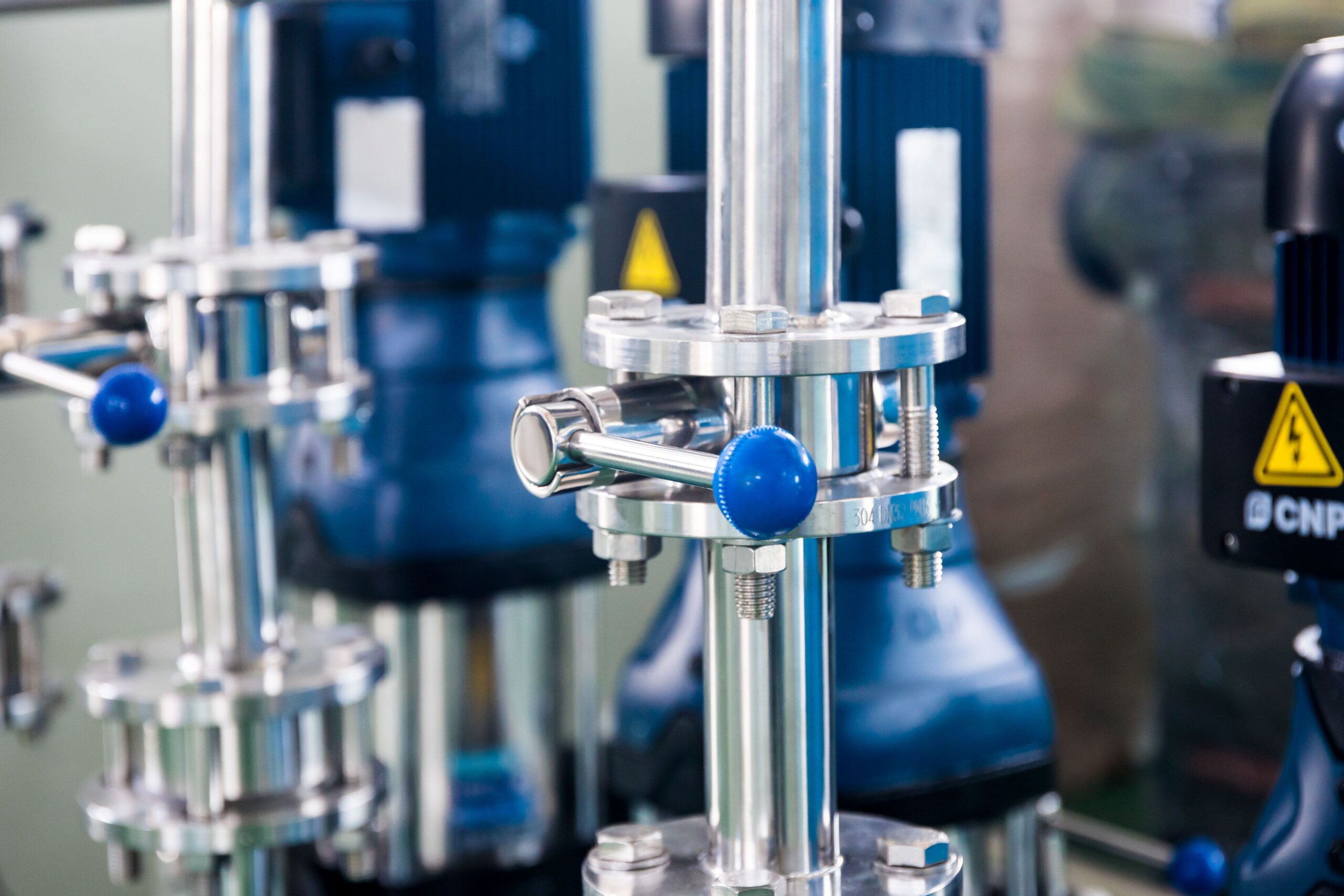
How to Choose a Reliable Industrial Instrument Supplier for Valves and Instrumentation
The Real Cost of Choosing the Wrong Industrial Instrument Supplier When a process line goes down because a pressure transmitter drifts or a control valve fails to seat properly, the immediate reaction is to blame the equipment. But more often than not, the root cause lies in an earlier decision: selecting an industrial instrument supplier without a rigorous evaluation. In …Read more -
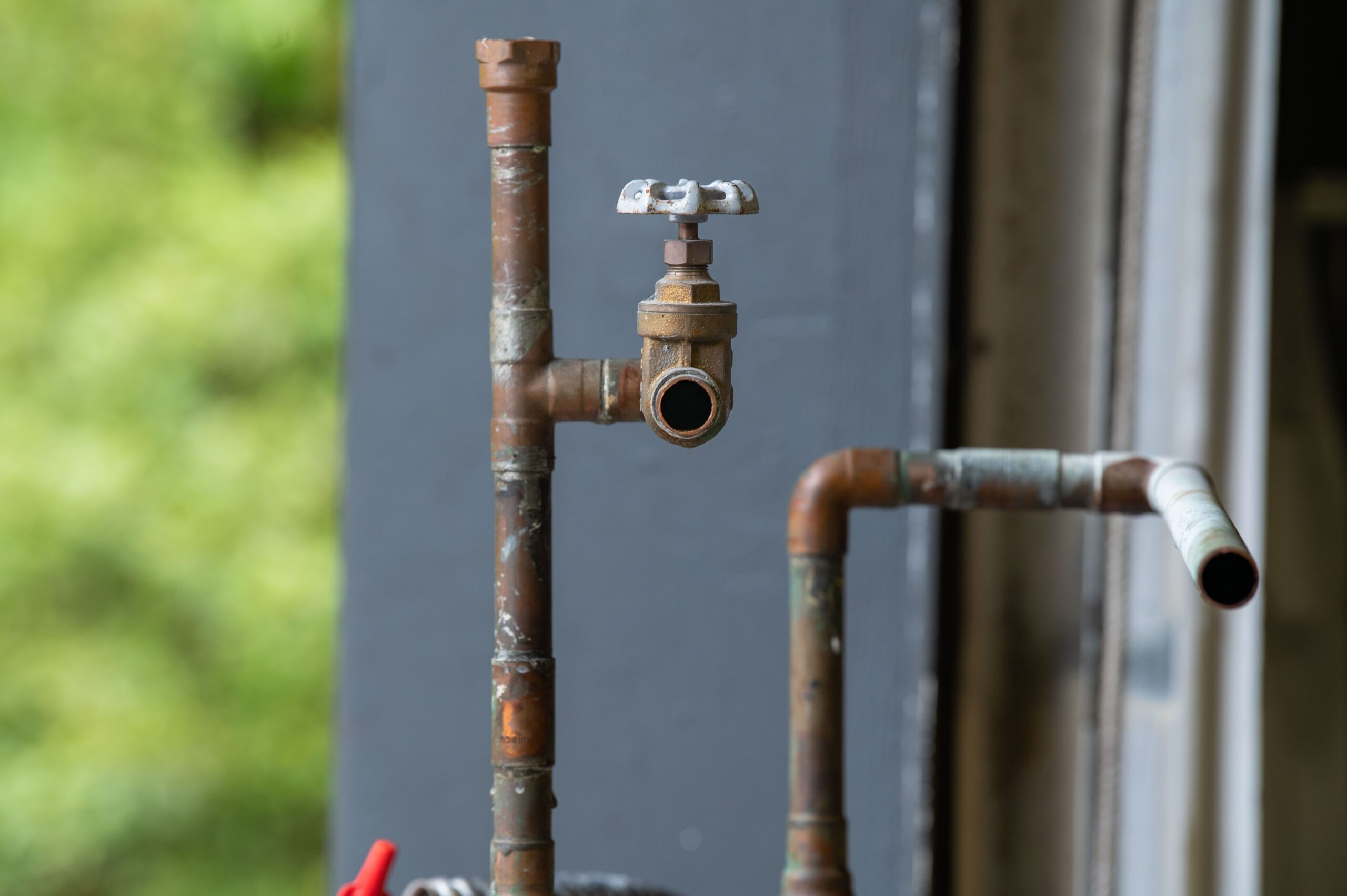
Don’t Just Look at the Quote! These 6 Hidden Service Details from Industrial Valve Suppliers Determine the Success or Failure of Your Project
In the vast systems of the process industry, valves are often referred to as the “hands and feet of the production process”; their reliability and precision directly determine a production line’s safety margin and operational efficiency. However, simply purchasing a high-performance valve is not enough to establish a complete control loop. The value of a professional industrial valve supplier has …Read more -
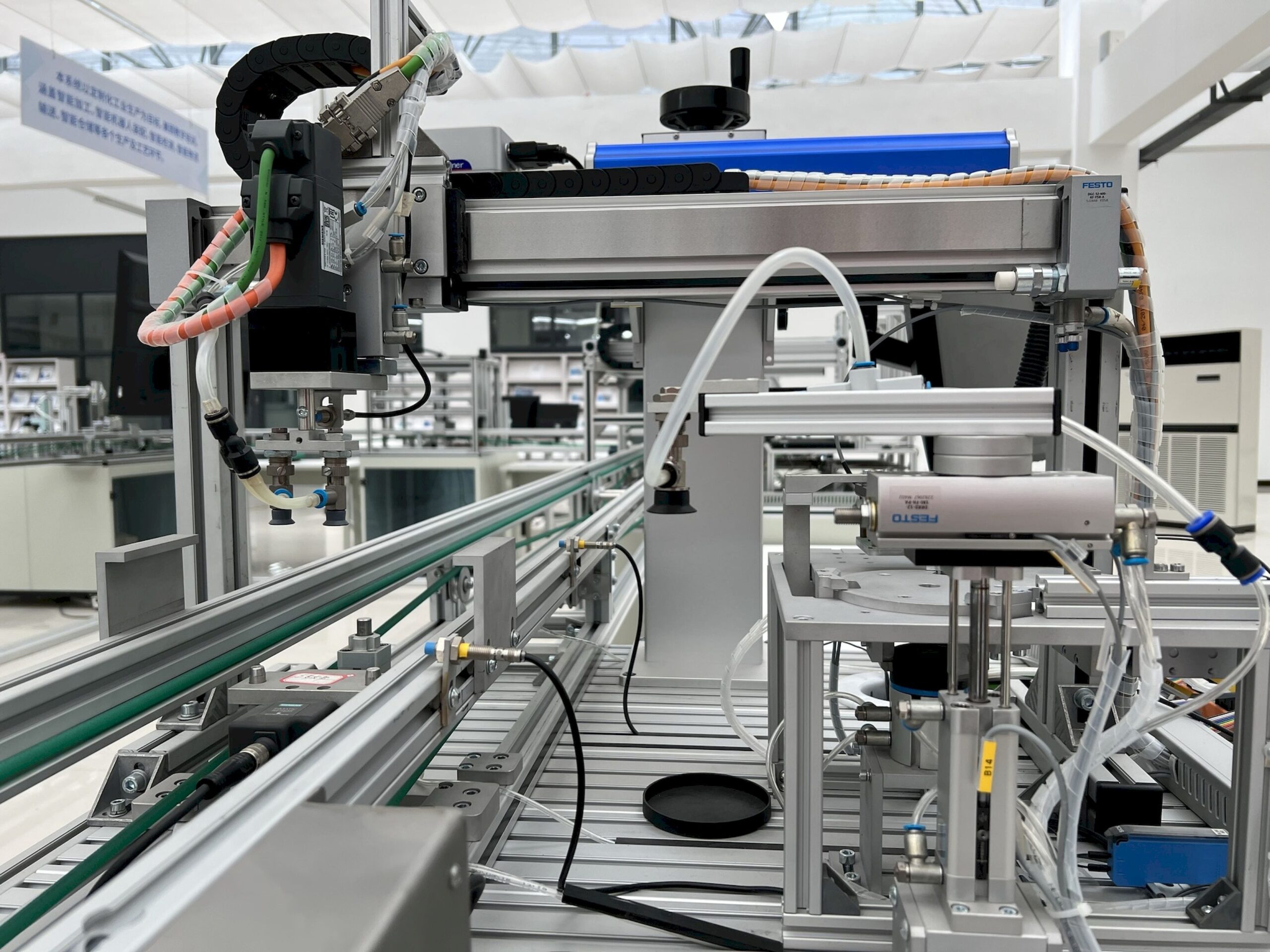
Pneumatic Valve Positioner & Actuator: Single-acting / Double-acting
In the commissioning and selection of control valves, many field engineers frequently confuse the concepts of valve, actuator and valve positioner regarding single-acting and double-acting modes. Devices may look identical externally, yet improper selection will lead to non-compliant fail-safe requirements and even potential safety hazards. Below is a full summary of key points to avoid common pitfalls. Clarify the …Read more -
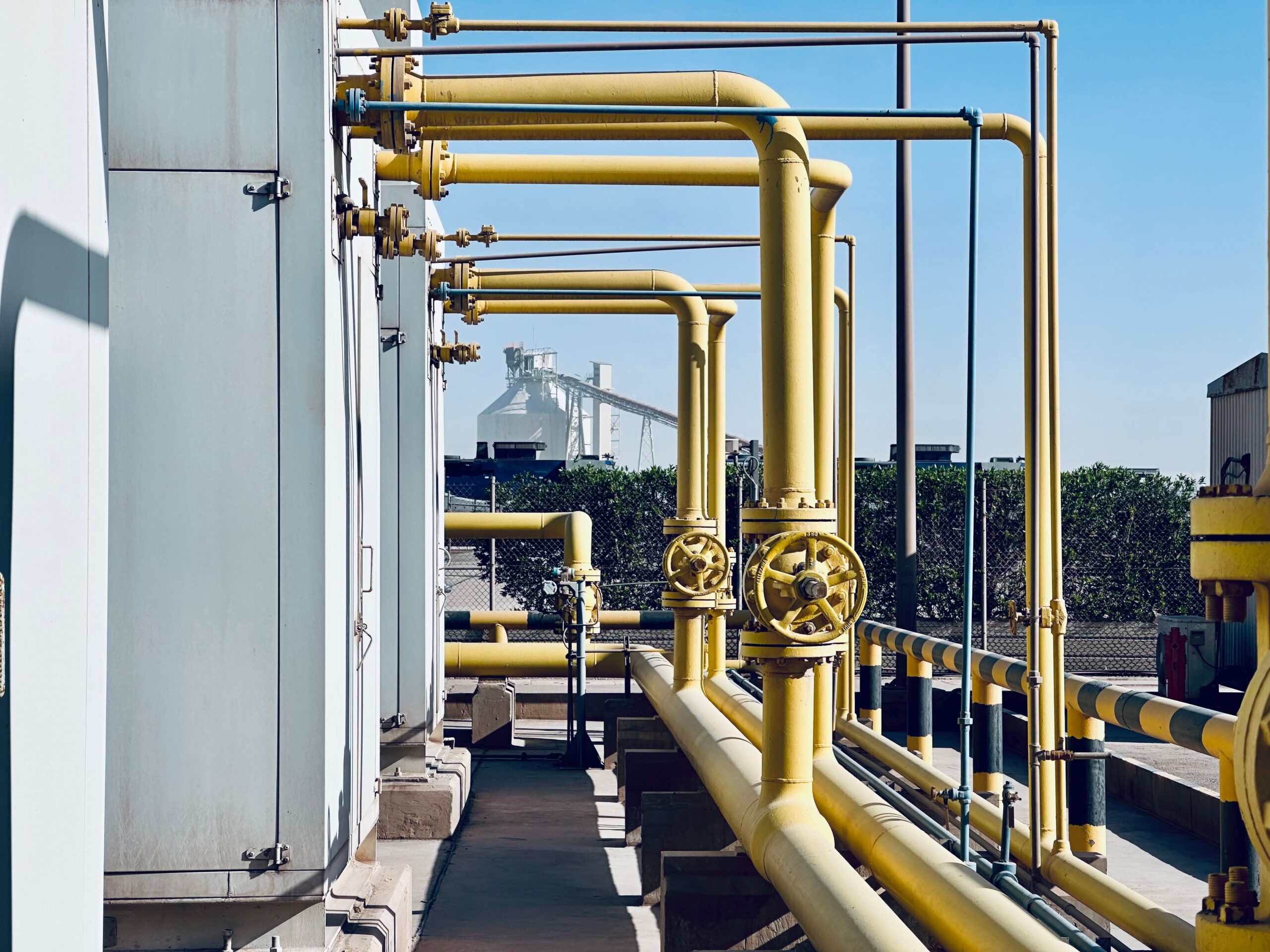
Unstable Control of Control Valves? Check These 5 Key Points of Valve Positioners First
In industrial sites such as petrochemical, chemical, power generation, and new energy industries, control valves serve as the “actuators” of process control and directly determine the stability of process parameters. Engineers often encounter problems including frequent fluctuations in temperature, pressure and flow, valve oscillation, control lag, and large setpoint deviations. While they tend to prioritize troubleshooting process conditions and valve …Read more -
What’s the Difference Between SIL1, SIL2 and SIL3? A Complete Guide to Safety Integrity Levels
Those working in industrial control, automation, chemical engineering, rail transportation, and equipment safety have most likely heard of SIL levels . When selecting, bidding, accepting, or upgrading systems, we are often asked: Is this equipment SIL2 or SIL3? Can SIL1 be used? What are the differences between the three? Many people only remember the phrase “the larger the number, the …Read more -
How to Choose the Right Control Valve for High-Pressure Petrochemical Applications
Choosing the right control valve for high-pressure petrochemical service comes down to five decisions: confirming the correct pressure class and shutoff rating, selecting a body and trim material that resists the specific corrosive or erosive media, matching the valve type (globe, angle, or cage-guided) to the pressure drop and noise conditions, sizing the actuator with enough thrust margin for the …Read more