
Common Valve Issues and Their Possible Causes
Industrial valves play a critical role in regulating flow, pressure, and process safety. However, during operation, various issues may arise due to installation conditions, process changes, or improper maintenance. Understanding common valve problems and their potential causes can help operators identify faults quickly and maintain stable system performance.
Below are some of the most common valve issues encountered in industrial applications.
1. Insufficient Product Understanding
In some cases, what appears to be a valve malfunction may actually be normal operating behavior. Customers or operators may have limited knowledge of valve functions, operating principles, or system requirements.
Proper training and a clear understanding of valve performance characteristics can help prevent misinterpreting normal operation as a fault.
2. Internal Valve Leakage
Internal leakage refers to leakage within the valve that exceeds the allowable limits specified by industry standards.
Possible causes include:
-
Foreign particles entering the valve and damaging internal components
-
Wear or damage to sealing surfaces
-
Misalignment or angular deviation of the seat sealing surface
Regular inspection and proper filtration of process media can help minimize this problem.
3. Valve Sticking or Jamming
Valve sticking or jamming can occur when the valve fails to open or close smoothly. This issue may result from several factors, such as:
-
Foreign objects trapped in the valve trim
-
Gearbox not in the neutral position
-
Excessively tightened packing
-
Thermal expansion or contraction of equipment components
Routine maintenance and proper installation practices are important for preventing such issues.
4. Trim Damage
Valve trim components may fail or become damaged due to a variety of operational conditions, including:
-
Changes in process parameters (pressure, temperature, flow rate)
-
Material defects
-
Cavitation or flashing
-
Incorrect material selection for the service environment
Selecting appropriate materials and monitoring process conditions are essential to prolong trim life.
5. Valve Vibration or Oscillation
Valve vibration, oscillation, or abnormal noise can indicate instability in the flow control system.
Possible causes include:
-
Improper piping layout
-
Valve operating too close to the seat position
-
Incorrect installation
-
Pipeline leakage
-
Malfunction of the valve positioner
Addressing these issues can help maintain stable valve operation and extend equipment lifespan.
6. Flow-Related Issues or Cv Problems
Flow-related issues often occur when the valve cannot deliver the expected flow capacity.
Common causes include:
-
Clogged valve cages
-
Incorrect trim selection
-
Debris accumulation in cage windows
Proper valve sizing and regular inspection of internal components can help ensure optimal flow performance.
7. Calibration Errors
Calibration-related problems may arise during installation or commissioning if parameters are set incorrectly.
Improper calibration can affect valve positioning accuracy and overall control performance. Careful calibration procedures and verification during startup are essential for reliable operation.
Conclusion
Many valve problems are not caused by manufacturing defects but by installation conditions, operating environments, or maintenance practices. By understanding these common issues and their causes, operators can diagnose problems more efficiently and ensure safe, stable operation of industrial systems.
Regular inspection, proper installation, and correct valve selection remain key factors in maintaining long-term valve performance.
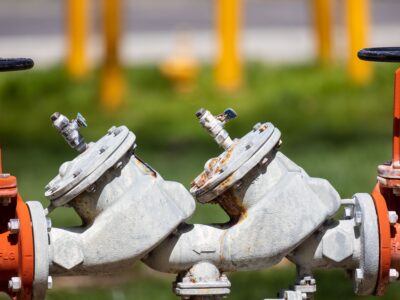 Domestic Valves in Industrial Applications: A Practical Sourcing Guide for Global Buyers
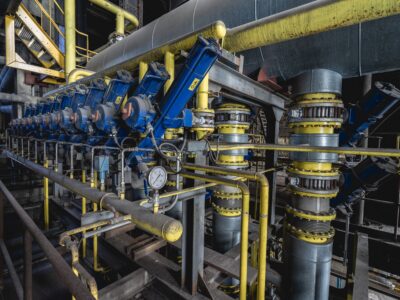 How Triple‑Eccentric Butterfly Valves Achieve High‑Performance Modulation
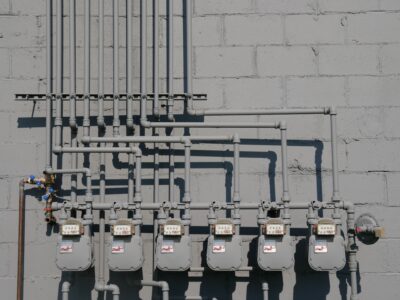 How to Choose an Industrial Instrument Supplier? A Complete Guide from Selection to Service
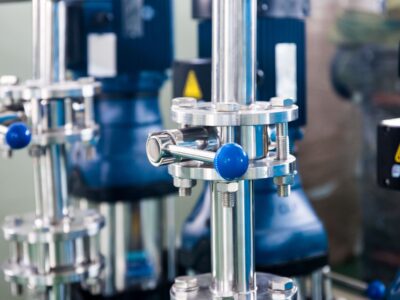 How to Choose a Reliable Industrial Instrument Supplier for Valves and Instrumentation