
The Importance of Supplier Relationship Management in Industrial Procurement
In today’s complex industrial landscape, successful procurement extends far beyond negotiating the lowest price. The relationship between buyers and suppliers has evolved into a strategic partnership that can significantly impact operational efficiency, innovation capacity, and long-term competitiveness. Understanding and cultivating these relationships has become essential for organizations seeking sustainable growth in the petrochemical, energy, and manufacturing sectors.
Beyond Transactional Purchasing
Traditional procurement models treated suppliers as interchangeable vendors competing solely on price. This approach, while seemingly cost-effective in the short term, often resulted in quality inconsistencies, supply disruptions, and missed opportunities for innovation. Modern industrial procurement recognizes that suppliers—particularly specialized providers like an instrumentation supplier—bring valuable expertise, technical support, and collaborative problem-solving capabilities that extend well beyond the products they deliver.
The shift toward relationship management acknowledges that suppliers are stakeholders in your operational success. When suppliers understand your processes, challenges, and long-term objectives, they can provide proactive solutions, anticipate needs, and contribute to continuous improvement initiatives that drive mutual value creation.
Strategic Benefits of Strong Supplier Relationships
Enhanced Reliability and Consistency
Established relationships with trusted suppliers create operational predictability. Companies like Guanya Petrochemical Equipment, with over 25 years of industry experience, demonstrate how long-term partnerships with major enterprises such as Sinopec and CNPC build the deep understanding necessary for consistent performance. These relationships enable suppliers to maintain appropriate inventory levels, prioritize critical orders during peak demand, and provide rapid response during emergencies.
Access to Technical Expertise
Industrial equipment and automation systems grow increasingly sophisticated. Strong supplier relationships provide access to specialized knowledge that can optimize specifications, improve system integration, and prevent costly mistakes. Regular technical consultations, on-site support, and training programs become natural extensions of the partnership rather than reluctant add-on services.
Innovation and Competitive Advantage
Collaborative suppliers often share emerging technologies, industry trends, and innovative solutions before they reach the broader market. This early access can provide significant competitive advantages, enabling organizations to implement cutting-edge solutions that improve efficiency, reduce costs, or enhance safety ahead of competitors.
Building Effective Supplier Relationships
Transparent Communication
Open dialogue forms the foundation of successful partnerships. Share your operational challenges, plans, and performance expectations clearly. Equally important, create channels for suppliers to provide feedback, suggest improvements, and raise concerns without fear of immediate consequences. This two-way communication builds trust and enables collaborative problem-solving.
Performance Metrics and Accountability
Establish clear, measurable performance indicators that align with your operational objectives. However, avoid purely punitive metrics. Instead, use performance data as a basis for improvement discussions, identifying root causes of issues and developing joint action plans. Recognize and reward consistent excellence to reinforce desired behaviors.
Long-Term Commitment
While maintaining competitive pressure remains important, demonstrating commitment to long-term relationships encourages suppliers to invest in your success. This might include dedicated resources, customized solutions, or preferential treatment during capacity constraints. Organizations that treat suppliers as disposable face higher costs, reduced service quality, and limited access to supplier expertise.
Risk Management Through Relationships
Supply chain disruptions have become increasingly common, whether from geopolitical tensions, natural disasters, or market volatility. Strong supplier relationships provide crucial resilience during these challenges. Trusted partners prioritize committed customers, work creatively to maintain supply continuity, and communicate proactively about potential issues before they become crises.
Diversification remains important, but relationships enable more sophisticated risk management. Rather than simply maintaining multiple suppliers, develop tiered partnerships where primary suppliers handle the majority of needs while maintaining backup relationships that can scale quickly if necessary.
The Guanya Approach
At Guanya Petrochemical Equipment, supplier relationship management isn’t just a procurement strategy—it’s integral to our service model. Our partnerships with industry leaders across oil, chemical, and power sectors demonstrate how collaborative relationships create value for all stakeholders. From initial consultation through ongoing support, we prioritize understanding each client’s unique requirements and delivering integrated solutions that address both immediate needs and long-term objectives.
Moving Forward
Effective supplier relationship management requires dedicated resources, systematic processes, and organizational commitment. However, the returns—improved reliability, enhanced innovation, reduced risk, and sustainable competitive advantage—far exceed the investment. As industrial operations grow more complex and global supply chains face continued uncertainty, the quality of supplier relationships increasingly determines organizational success.
Transform your procurement approach from transactional purchasing to strategic partnership, and discover how the right relationships drive operational excellence and long-term value creation.
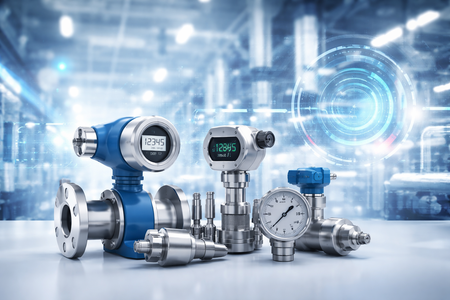 Accuracy and Stability Driving Industrial Progress GUANYA’s Perspective on Measurement and Control Instruments
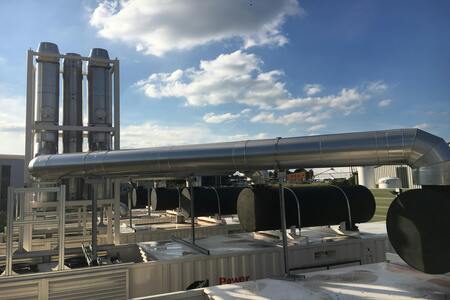 What Is a Flue Gas Expander and Why It Matters for Industrial Energy Recovery?
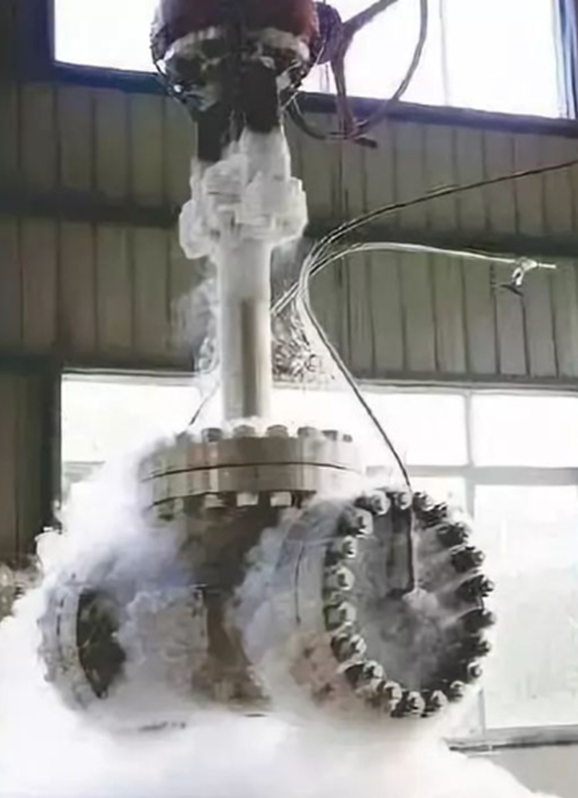 Complete Guide to Cryogenic Valve Classification, Installation, and Maintenance