
A Comprehensive Guide to Wedge Gate Valves: Principles, Advantages, and Applications
Introduction:
Wedge gate valves are a widely used type of valve in fluid control and regulation systems. Known for their stability and excellent sealing capabilities, they are an essential component in various industrial sectors. This article provides an in-depth look at the working principle, structure, advantages, and applications of wedge gate valves, helping you make an informed decision when selecting the right valve for your needs.
What is a Wedge Gate Valve?
A wedge gate valve is a type of valve used to control the flow of fluids through a pipeline. The key feature of a wedge gate valve is its wedge-shaped gate, which moves up and down to open or close the flow path. This design allows for precise regulation and complete shut-off of the fluid flow. Due to its simplicity, reliability, and effective sealing, it is widely used in many industrial pipeline systems.
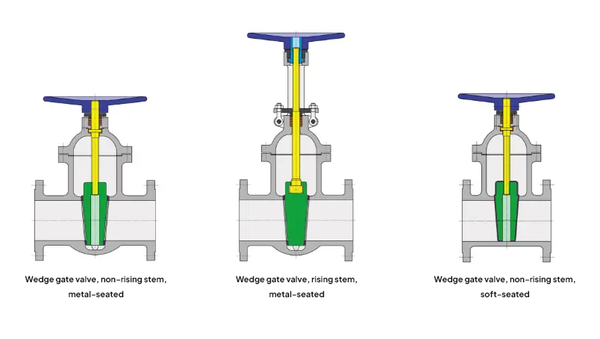
The primary working principle of a wedge gate valve is the self-tightening seal formed between the wedge-shaped gate and the valve seat. When the valve closes, the gate gradually presses against the seat, ensuring a tight seal to prevent fluid leakage.
Structure of a Wedge Gate Valve
The main components of a wedge gate valve include the gate, valve seat, valve body, sealing surface, and actuation mechanism. Below is a breakdown of each key component:
-
Gate
The gate is typically made of metal and has a wedge-like shape. It is connected to the actuator via the valve stem, allowing it to move up and down to control the flow of fluids. -
Valve Seat
The valve seat is the part that creates a seal with the gate, ensuring that the valve can effectively shut off the flow. The seat is made from durable materials to withstand high pressure and ensure long-lasting performance. -
Actuation Mechanism
The actuator, which can be manual, pneumatic, or electric, is connected to the valve stem and moves the gate. The actuator type is chosen based on the application and ease of operation required. -
Sealing Surface
The sealing surfaces on the gate and valve seat are crucial for the valve’s tightness. The wedge design helps create a strong seal under pressure, ensuring minimal leakage.
Advantages of Wedge Gate Valves
Wedge gate valves offer several key advantages due to their unique design and functionality:
-
Superior Sealing Performance
The wedge-shaped gate and valve seat work together to create a strong, self-tightening seal when the valve is closed. This results in excellent leak prevention, even under high-pressure or high-temperature conditions. -
Simple Structure and High Reliability
Compared to other types of valves, wedge gate valves have a simple design with fewer moving parts. This results in higher reliability and lower maintenance needs, making them a cost-effective option for many industries. -
Wide Range of Applications
Wedge gate valves are highly versatile and can be used in a wide range of industries, including oil, chemical, power, and metallurgy. They are particularly well-suited for regulating or stopping the flow of liquids and gases in pipeline systems. -
Cost-Effectiveness
Due to their simple design and durable materials, wedge gate valves are often less expensive to manufacture than other types of valves. Their long service life further contributes to reduced maintenance and operational costs over time.
Applications of Wedge Gate Valves
Due to their excellent performance, wedge gate valves are used in a variety of industries and applications. Some of the most common applications include:
-
Oil and Gas Industry
In the oil and gas sector, wedge gate valves are used to control the flow of oil and gas through pipelines. Their ability to withstand high-pressure and high-temperature environments makes them ideal for this critical industry. -
Chemical Industry
Wedge gate valves are also widely used in the chemical industry, where they control the flow of various chemicals through pipelines. Their resistance to corrosion and high temperature makes them a reliable choice for many chemical processing applications. -
Power Generation
Power plants rely on wedge gate valves for steam and water pipeline systems, where high temperatures and pressures are common. The valves’ reliability and sealing capabilities are crucial in maintaining efficient operation. -
Water Treatment and Municipal Pipelines
Wedge gate valves are frequently used in municipal water supply and wastewater treatment systems. They provide reliable shutoff and flow control for both drinking water and wastewater pipelines.
Factors to Consider When Choosing a Wedge Gate Valve
When selecting a wedge gate valve for your application, several important factors should be taken into account:
-
Fluid Characteristics
Different fluids have varying requirements for valve materials and pressure ratings. Make sure to choose a valve that can handle the specific type of fluid (liquid, gas, slurry, etc.) in your pipeline system. -
Size and Compatibility
Ensure that the wedge gate valve is compatible with the size and type of pipeline you are working with. This includes matching the valve’s diameter and flange connections to the existing system. -
Actuation Method
Depending on the application, you may need a manual, pneumatic, or electric actuator. Consider ease of operation and the specific needs of your system when choosing an actuation method. -
Material Selection
Wedge gate valves come in various materials, including carbon steel, stainless steel, and cast iron. Select the material based on the temperature, pressure, and corrosion resistance requirements of your application.
Conclusion
Wedge gate valves are essential components in fluid control systems across multiple industries. Their simple yet effective design provides excellent sealing, reliability, and cost-efficiency, making them ideal for high-pressure, high-temperature environments. By understanding the principles, advantages, and applications of wedge gate valves, you can make more informed decisions when selecting the right valve for your pipeline system.
 Principle of Electric Actuators
 Leakage at Valve Packing Gland and Its Preventive Measures
 Introduction to Maintenance of Electric Actuators
 Domestic Valves in Industrial Applications: A Practical Sourcing Guide for Global Buyers