
How to Choose a Reliable Instrumentation & Valve Supplier for Industrial Projects?
In industrial projects—whether in oil & gas, water treatment, power generation, chemical processing, or manufacturing—the selection of a reliable instrumentation and valve supplier is a decision that directly impacts system safety, operational efficiency, and long-term maintenance costs. Instruments and valves are not just components; they are critical control points that influence the stability and performance of the entire process.
Choosing the right supplier requires more than comparing prices. It involves evaluating technical capability, production quality, service reliability, and long-term cooperation potential. Below are the key factors industrial buyers and project engineers should consider.
1. Technical Expertise and Product Range
A qualified supplier should demonstrate strong technical knowledge in both measurement instruments (such as flow meters, pressure transmitters, level sensors, and temperature instruments) and industrial valves.
A broad and well-structured product range usually indicates:
-
Deeper industry experience
-
Better ability to provide integrated solutions
-
Reduced need for multiple vendors
Suppliers who understand process requirements can offer better configuration advice, which is particularly important in complex industrial environments.
2. Quality Standards and Certifications
Industrial equipment must comply with recognized international or regional standards. When evaluating a supplier, check whether their products or manufacturing processes meet certifications such as:
-
ISO quality management standards
-
CE or other regional compliance marks
-
Material and pressure testing certifications
-
Industry-specific approvals when required
Consistent quality control is essential because instrumentation and valves often operate under high pressure, high temperature, or corrosive conditions. Poor quality components can lead to downtime, safety risks, and increased maintenance costs.
3. Manufacturing Capability and Consistency
A reliable supplier should have stable manufacturing capabilities, including:
-
Modern production equipment
-
Skilled technical personnel
-
Repeatable quality processes
-
Material traceability
Consistency in production ensures that replacement parts or future batch orders will match original specifications. This is especially important for long-term industrial projects where system compatibility must be maintained over many years.
4. Customization and Engineering Support
Not all industrial projects are standard. Many require customized dimensions, materials, signal outputs, or pressure ratings. A strong supplier should be able to provide:
-
OEM/ODM services
-
Technical drawings and documentation
-
Application-based recommendations
-
Engineering communication support
Suppliers who actively assist with technical problem-solving add far more value than those who only provide catalog products.
5. Delivery Time and Supply Chain Stability
Project timelines are often strict. Delays in instrumentation or valve delivery can affect the entire installation schedule. Key considerations include:
-
Average production lead time
-
Inventory availability
-
Logistics coordination
-
Ability to handle urgent or bulk orders
A stable supply chain reflects organizational maturity and reduces project risks.
6. After-Sales Service and Communication
Reliable after-sales support is a strong indicator of a trustworthy supplier. Important aspects include:
-
Clear warranty policies
-
Technical troubleshooting assistance
-
Spare parts availability
-
Responsive communication
Industrial buyers should prioritize suppliers who maintain long-term partnerships rather than one-time transactions. Effective communication also reduces misunderstandings and improves project efficiency.
7. Industry Experience and Application References
Suppliers with experience in multiple industries often have a deeper understanding of real operating conditions. Application references or case examples can demonstrate practical reliability and help buyers assess suitability for their own projects.
8. Price vs. Total Value
While pricing is always a factor, the lowest price rarely equals the best value. Consider the total lifecycle cost, including:
-
Installation compatibility
-
Maintenance frequency
-
Replacement parts
-
System downtime risks
High-quality instrumentation and valves often deliver better long-term returns even if the initial cost is slightly higher.
Conclusion
Selecting a reliable instrumentation and valve supplier is a strategic decision that influences operational safety, system accuracy, and long-term efficiency. Buyers should evaluate suppliers based on technical strength, quality assurance, customization capability, delivery reliability, and service support, rather than price alone.
A dependable supplier becomes more than a vendor—they become a technical partner who contributes to the stability and success of industrial projects over time.
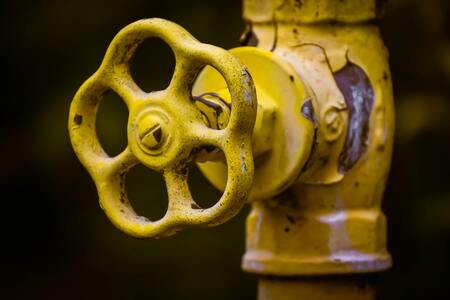 Control Valve vs Regulating Valve: What’s the Difference?
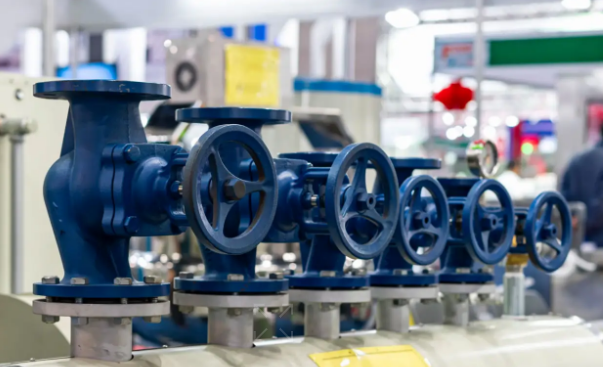 Common Valve Issues and Their Possible Causes
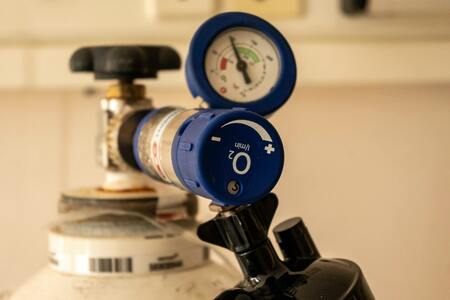 Parameters Required for Control Valve Sizing & Quotation
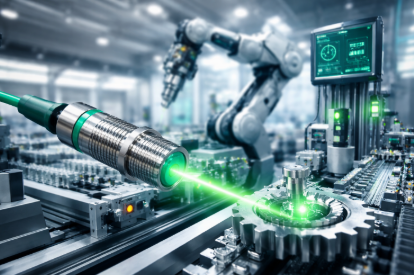 How Pepperl+Fuchs Sensors Are Driving the Next Generation of Industrial Automation