
How to Choose a Reliable Industrial Instrument Supplier for Valves and Instrumentation
The Real Cost of Choosing the Wrong Industrial Instrument Supplier
When a process line goes down because a pressure transmitter drifts or a control valve fails to seat properly, the immediate reaction is to blame the equipment. But more often than not, the root cause lies in an earlier decision: selecting an industrial instrument supplier without a rigorous evaluation. In the global valve and instrumentation market, the difference between a supplier who merely ships boxes and one who truly understands your process can be measured in downtime hours, safety incidents, and compliance penalties.
Many procurement teams focus on price and lead time, only to discover later that the supplied instruments lack the required SIL ratings, use non-standard process connections, or fail to meet local metrology regulations. This article walks through the exact criteria you should use when vetting an industrial instrument supplier — from technical documentation to after-sales support — so you can make a decision that holds up under pressure.
Core Technical Capabilities: What to Verify Before You Send an RFQ
An industrial instrument supplier is not just a distributor; they are your technical partner for pressure, temperature, flow, and level measurement, as well as final control elements. Before evaluating quotes, request the following from each candidate:
- Full datasheets with accuracy classes, repeatability, and hysteresis values for each model
- Traceability to international standards such as ISO 9001, IEC 61508 (for safety functions), and ATEX/IECEx certificates for hazardous areas
- Material certificates (EN 10204 3.1 or 3.2) for wetted parts, especially for chemical or cryogenic service
- Calibration reports with NIST-traceable references and uncertainty budgets
For valve suppliers, ask for leakage rates per ANSI/FCI 70-2 (Class IV, V, or VI), travel time, and cycle life data. A supplier who cannot provide these documents is not a supplier — they are a middleman. In the industrial equipment industry, documentation is as important as the hardware itself because it affects your ability to pass audits and meet environmental regulations.
Understanding Process Connections and Material Compatibility
A common mistake is assuming that a 1/2-inch NPT thread is universal. In global projects, you will encounter BSPP, BSPT, flange ratings (ANSI 150/300/600, DIN PN16/PN40), and even sanitary tri-clamp connections. A competent industrial instrument supplier will ask about your existing piping specs and then offer adapters or custom process connections without compromising the instrument’s measurement performance. Also, verify the wetted material: 316L stainless steel is standard, but for hydrogen sulfide or seawater service, you may need Hastelloy or Inconel. Ask for a material selection guide based on your media composition and operating temperature.
Application-Specific Selection: Matching the Instrument to the Process
No two processes are identical, even if the P&ID looks similar. A pressure transmitter for a steam line with frequent pressure spikes requires a different damping setting and maybe a diaphragm seal, compared to a clean gas line. Similarly, a control valve for cavitating liquids needs anti-cavitation trim, while a valve for slurry service requires a full-port design with hardened seats. A good supplier will ask about your process conditions — not just the nominal values but also upset conditions like startup pressure surges or low-flow shutdowns.
Case Example: Selecting a Flow Meter for Custody Transfer
If your application is custody transfer or fiscal metering, you need a Coriolis or ultrasonic meter with a custody transfer approval (e.g., OIML R117 or API MPMS Chapter 5). A general-purpose magmeter will not suffice, even if the price is attractive. The right industrial instrument supplier will guide you to a meter with the correct accuracy class (0.2% or better) and a flow computer that supports the required communication protocol (Modbus, HART, or Foundation Fieldbus). They will also provide a certified calibration rig or arrange third-party verification.
Global Compliance and Standards: Don’t Let Your Plant Become a Non-Compliant Example
Industrial equipment is increasingly subject to regional regulations: the EU’s Pressure Equipment Directive (PED), China’s GB standards, and the U.S. ASME Boiler and Pressure Vessel Code. Your supplier should be able to declare conformity to the standards applicable in your destination country. For example, if your plant is in the Middle East, you might need a supplier who is familiar with the local civil defense approvals. If you are exporting to the EU, you need CE marking with a notified body certificate. Ask for a compliance matrix that maps each product to the relevant directives.
Hazardous Area Certification: More Than Just a Label
Many suppliers claim to offer ATEX or IECEx products, but the certification must match your zone classification (Zone 1, Zone 2, etc.) and gas group (IIA, IIB, IIC). A temperature transmitter rated for Zone 2 with a T4 rating cannot be installed in a Zone 1 area with a T3 requirement. Verify the certificate number on the EU Notified Body database or IECEx online certificate system. A reliable supplier will not only have the certificates but also explain the installation requirements — like cable glands and earthing — to ensure the integrity of the intrinsic safety loop.
After-Sales Support: The Hidden Differentiator
When a critical instrument fails at 2 AM, the response time of your supplier becomes the most important metric. Ask about their global service network, spare parts availability, and whether they offer remote diagnostics. For valves, check if they have a local repair facility that can re-machine seats and replace packing without sending the valve back to the factory. Also, inquire about their training programs — do they offer on-site calibration training or webinars on loop troubleshooting? A supplier who invests in your team’s competency is a long-term partner, not a vendor.
Warranty and Return Policy: Read the Fine Print
Warranty periods vary from 12 to 36 months, but the terms matter more than the duration. Does the warranty cover labor costs for replacement? Who pays for shipping? Are there exclusions for misuse or improper installation? A transparent industrial instrument supplier will provide a clear warranty statement with no hidden clauses. Additionally, ask about their return policy for incorrectly ordered items — sometimes you only discover a sizing mistake after installation. A flexible return policy can save you from a costly restocking fee.
Practical Checklist for Your Next Supplier Audit
Use this checklist during your next supplier evaluation or audit:
- Request a sample datasheet and verify the accuracy, span, and overpressure limits.
- Ask for three references in your industry (e.g., oil & gas, chemical, or water treatment).
- Check their financial stability via a credit report or a balance sheet request.
- Verify their ISO 9001 certificate is current and covers the product range you need.
- Ask about their lead times for standard vs. custom products — and whether they hold safety stock.
While this list is not exhaustive, it covers the major risk areas that cause project delays and operational failures.
Ready to Partner with a Supplier That Knows Your Process?
Choosing the right industrial instrument supplier is a strategic decision that impacts your plant’s safety, efficiency, and compliance. You need a partner who understands global standards, offers application expertise, and provides reliable after-sales support. At Chinaguanya, we combine over 20 years of experience in industrial valves and instrumentation with a global logistics network. Our engineers are ready to help you select the right instruments for your next project — from pressure and temperature transmitters to control valves and flow meters. Contact us today for a free application review and a detailed quotation. Let’s build a measurement solution that works as hard as you do.
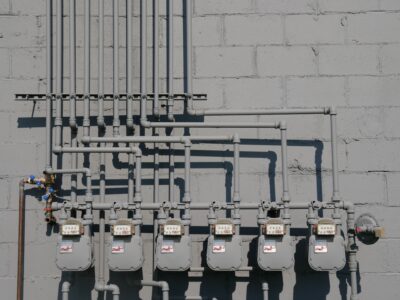 How to Choose an Industrial Instrument Supplier? A Complete Guide from Selection to Service
 Introduction to Maintenance of Electric Actuators
 Domestic Valves in Industrial Applications: A Practical Sourcing Guide for Global Buyers
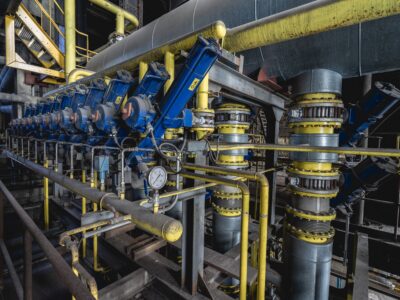 How Triple‑Eccentric Butterfly Valves Achieve High‑Performance Modulation