
How to Choose Reliable Industrial Equipment for Global Procurement in 2026
As global industries continue to expand and modernize, the demand for reliable industrial equipment has grown significantly. From oil & gas to power generation and chemical processing, procurement professionals are under increasing pressure to source equipment that ensures efficiency, safety, and long-term operational stability.
In today’s competitive environment, choosing the right industrial equipment supplier is no longer just about price—it’s about performance, reliability, and technical support.
The Challenges of Industrial Equipment Procurement
Industrial buyers, distributors, and EPC contractors often face several key challenges when sourcing equipment internationally:
- Inconsistent product quality
- Limited technical documentation
- Long delivery cycles
- Lack of after-sales support
- Compatibility issues with existing systems
These challenges can lead to costly downtime and project delays, especially in large-scale industrial operations.
What Defines High-Quality Industrial Equipment?
To meet modern industrial requirements, equipment must meet strict standards in multiple aspects:
1. Durability and Performance
Industrial equipment must operate reliably under extreme conditions, including high pressure, temperature fluctuations, and corrosive environments.
2. Compliance with International Standards
Certifications and compliance with global standards ensure that equipment can be used across different regions without regulatory issues.
3. Technical Support and Documentation
Clear specifications, installation guides, and responsive technical support are essential for smooth integration and maintenance.
4. Supplier Stability and Experience
Working with an experienced supplier reduces risks in long-term cooperation, especially for bulk procurement and OEM/ODM projects.
A One-Stop Solution for Industrial Equipment Sourcing
For global buyers looking for a reliable sourcing partner, having access to a wide range of industrial equipment in one place can significantly improve efficiency.
At Guanya Industrial, we provide comprehensive industrial equipment solutions for international clients, covering multiple categories and application scenarios.
This category includes a variety of equipment designed for industries such as oil & gas, petrochemical, energy, and manufacturing, helping buyers streamline their procurement process.
Supporting Bulk Buyers and International Distributors
Our services are designed to meet the needs of:
- Industrial equipment distributors
- Engineering contractors (EPC)
- Manufacturing companies
- Importers and wholesalers
We support bulk orders, customized solutions, and long-term cooperation, ensuring that clients receive consistent quality and competitive pricing.
Why Global Buyers Are Moving Toward Integrated Suppliers
With the rise of digital procurement and global supply chains, more buyers are choosing integrated suppliers who can provide:
- Multiple product categories in one place
- Stable supply chains
- Faster response times
- Technical consultation and support
This shift helps reduce procurement complexity and improve project efficiency.
Conclusion: Building a More Efficient Procurement Strategy
In 2026 and beyond, industrial equipment procurement will continue to evolve toward efficiency, reliability, and global integration. Companies that partner with experienced and professional suppliers will be better positioned to reduce risks and improve operational performance.
By choosing a trusted industrial equipment provider, buyers can ensure long-term value, stable supply, and successful project execution in an increasingly competitive global market.
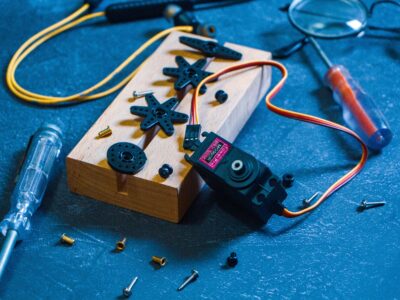 Principle of Electric Actuators
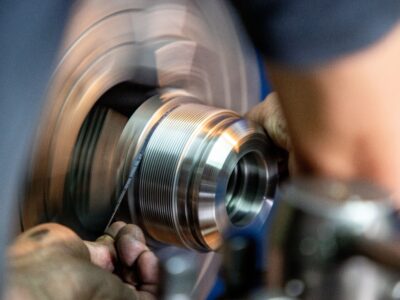 Leakage at Valve Packing Gland and Its Preventive Measures
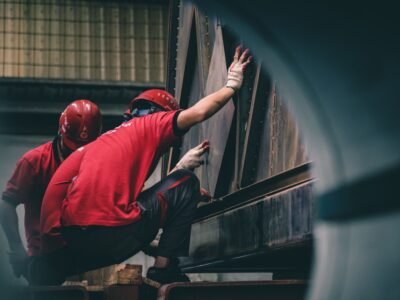 Introduction to Maintenance of Electric Actuators
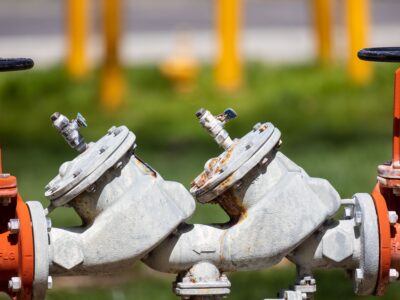 Domestic Valves in Industrial Applications: A Practical Sourcing Guide for Global Buyers