
How Pepperl+Fuchs Sensors Are Driving the Next Generation of Industrial Automation
As global manufacturing continues to move toward smarter and more connected systems, industrial sensors are playing an increasingly important role in improving efficiency, safety, and precision. Among the many technology providers in this field, Pepperl+Fuchs has become a well-recognized name for high-quality industrial sensing solutions.
From proximity sensors to advanced identification systems, the company’s technologies are widely used in industries such as manufacturing automation, logistics, packaging, and process control.
Growing Demand for Reliable Industrial Sensors
With the rapid adoption of Industry 4.0 and smart factory concepts, manufacturers are looking for components that can deliver reliable performance in complex industrial environments. Sensors must operate accurately under conditions such as dust, vibration, temperature fluctuations, and high-speed production lines.
Solutions developed by Pepperl+Fuchs are known for their durability and precision, making them a trusted choice for engineers and automation integrators around the world. Their products support applications such as object detection, position monitoring, identification, and safety control.
Key Applications Across Industrial Sectors
Modern industrial sensors are essential for a wide range of applications, including:
-
Automated production lines
-
Warehouse and logistics systems
-
Packaging and labeling equipment
-
Robotics and material handling
-
Process monitoring in chemical and energy industries
These systems rely on accurate sensing technology to ensure stable operations and minimize downtime.
Accessing Professional Pepperl+Fuchs Product Solutions
For businesses looking to integrate reliable sensing technology into their automation systems, working with a professional industrial supplier can simplify the selection process.
At Chinaguanya, we provide a wide range of Pepperl+Fuchs products designed to support different automation and process control applications.
Supporting the Future of Smart Manufacturing
As factories continue to evolve toward intelligent and highly automated operations, the importance of reliable sensing technology will only continue to grow. Companies that invest in high-quality industrial components today are better prepared to improve efficiency, safety, and long-term productivity.
With proven sensing technologies and professional industrial suppliers, manufacturers can build automation systems that meet the demands of modern production.
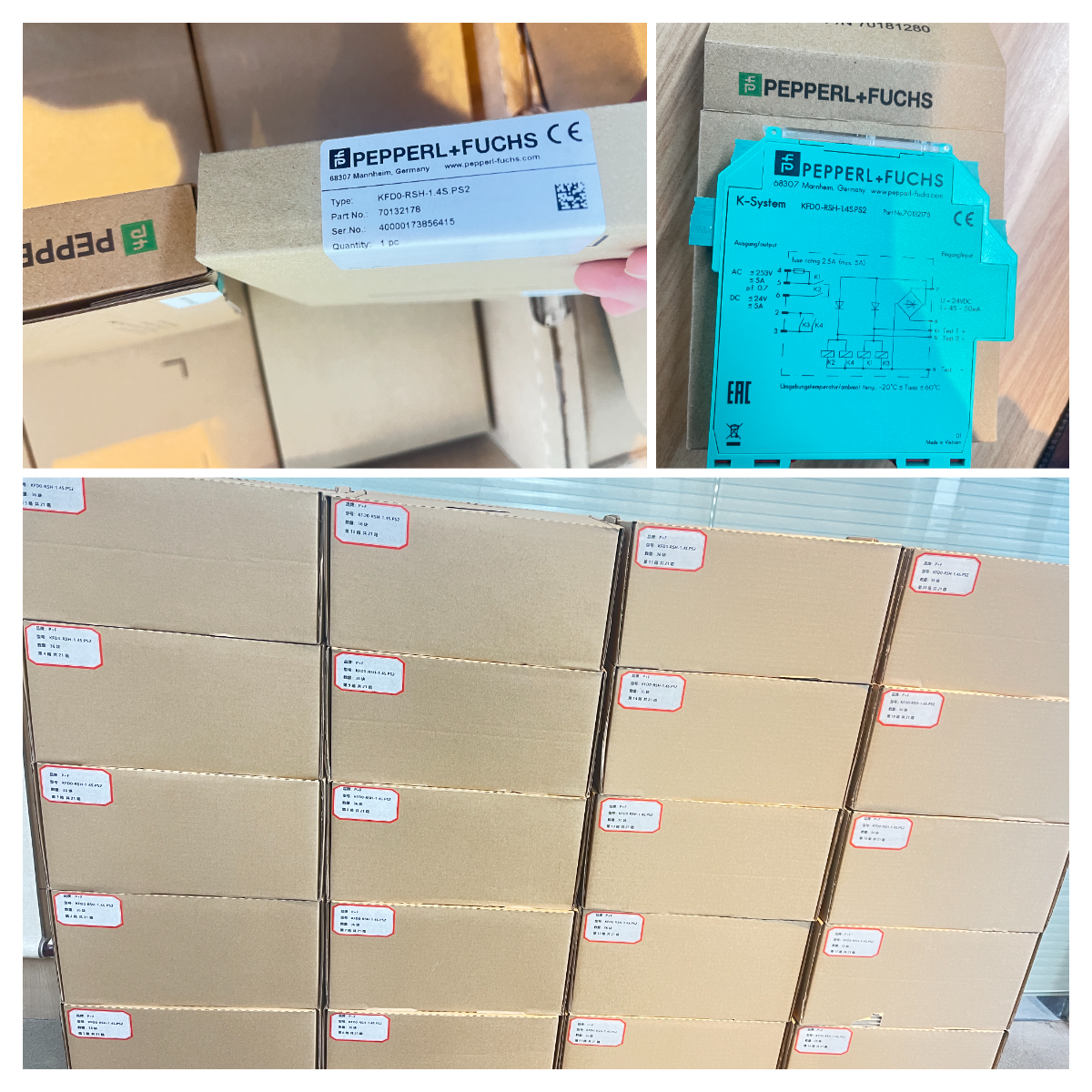 From Inquiry to Delivery: A Fast-Track Intrinsic Safety Barrier Project
 Domestic Valves in Industrial Applications: A Practical Sourcing Guide for Global Buyers
 How Triple‑Eccentric Butterfly Valves Achieve High‑Performance Modulation
 How to Choose an Industrial Instrument Supplier? A Complete Guide from Selection to Service